
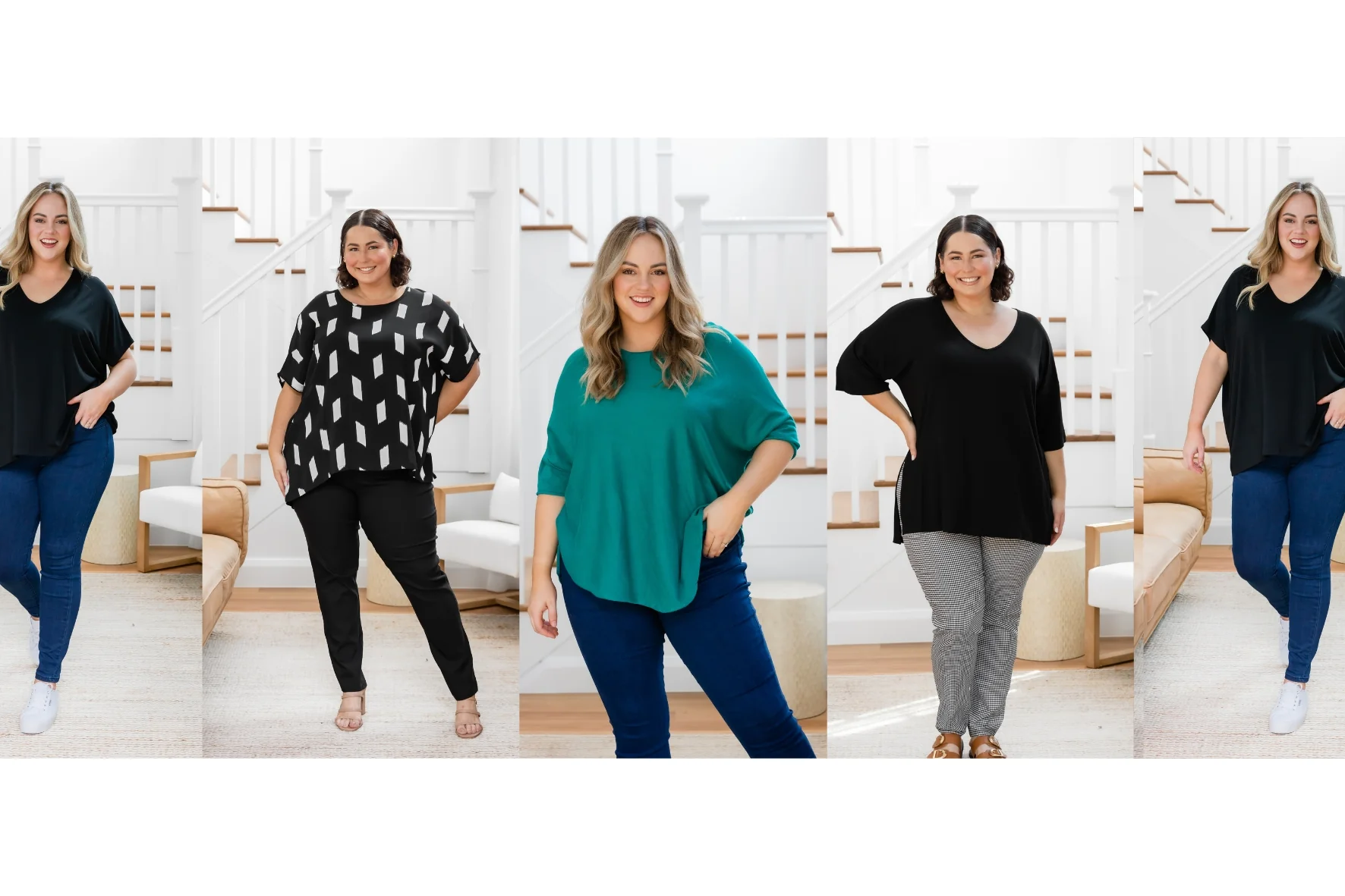

The line between effortlessly relaxed and unintentionally sloppy is razor-thin. For several seasons, fashion has decisively abandoned the skin-tight silhouettes of the past decade in favor of sweeping hemlines, dropped shoulders, and generous cuts. Yet many people find that wearing oversized garments in real life feels vastly different from how they appear on a runway. What looks like architectural elegance on an editorial model can easily translate into looking engulfed, broad, or unkempt when worn to an office or an evening dinner.
Dressing in voluminous pieces without losing your shape is not about masking your body; it is an exercise in deliberate composition. When approached with an editor’s precision, oversized dressing conveys an air of confident ease that tight tailoring rarely achieves. The secret lies in understanding scale, establishing anatomical anchor points, and treating volume as a design element that must be countered rather than freely indulged.
Intentional Volume Versus Sizing Up
The most common mistake shoppers make when pursuing relaxed style is simply buying two sizes larger in standard garments. While this technique occasionally works for basic loungewear, it almost always fails with tailored clothing. Sizing up distorts the internal engineering of a garment in ways that work against your frame.
A piece designed as true oversized clothing maintains correct foundational proportions while expanding specific dimensions. A properly drafted oversized blazer, for instance, broadens the shoulder line and lengthens the torso, yet preserves the depth of the armhole and the pitch of the neck so the collar stays flat against the nape. If you merely buy a standard blazer in an extra-large size, the armholes sink too low, restricting arm movement, while the collar buckles and gaps awkwardly away from your neck.
When evaluating an oversized piece on the rack, look for deliberate structural exaggeration rather than generic excess fabric. Check that the shoulder seam—even if deliberately dropped down the bicep—falls with a clean, smooth drape rather than a crumpled fold. Inspect sleeve lengths to confirm they can be rolled or cuffed without gathering into massive, unwieldy bundles of cloth at your wrists. True volume should hang with purpose, sweeping around your frame rather than collapsing beneath its own weight.
The Principle of Counterbalance
The fundamental law of oversized styling is counterbalance. If every element of an outfit is wide, long, and shapeless, your silhouette turns into a monolithic block that conceals your movement and natural proportions. Creating a flattering look requires playing volume against structure.
The Single-Volume Rule
When you are building an outfit around a statement piece, allow that single item to dominate the visual field while keeping the rest of the ensemble streamlined.
-
Voluminous tops: Pair an oversized poplin button-down, a chunky cable-knit sweater, or a boxy motorcycle jacket with slim-straight denim, cigarette trousers, or a bias-cut slip skirt that flows close to the legs. The contrast between the broad upper half and the slender lower half creates an inverted triangle silhouette that feels balanced and modern.
-
Voluminous bottoms: When wearing wide-leg puddle trousers, pleated palazzo pants, or relaxed barrel-leg jeans, moor the look with a fitted foundation up top. A ribbed crew-neck tank, a sleek stretch turtleneck, or a tailored bodysuit immediately reintroduces the shape of your torso, preventing the wide leg from overwhelming your height.
Full-Volume Layering Done Right
Wearing oversized pieces from head to toe is an advanced technique, but it can look exceptionally chic if you incorporate tonal consistency. If you choose to wear a voluminous trouser with a boxy jacket, keep the entire outfit within a single color family, such as varying shades of ecru, slate, or camel. A monochromatic palette creates an unbroken vertical line that elongates the frame, counteracting the horizontal widening that often occurs when pairing multiple loose garments.
Anchoring the Silhouette at the Narrowest Points
The human eye reads an entire silhouette based on small focal points. If you reveal or emphasize the narrowest parts of your anatomy—the wrists, the ankles, the collarbones, and the natural waist—the brain instinctively fills in the rest of the body beneath the clothing. This visual trick allows you to wear dramatically oversized silhouettes without appearing wider than you actually are.
Exposing the wrists is the fastest way to add structure to a slouchy look. Long, billowing sleeves that swallow your hands signal that a garment simply does not fit. Pushing an oversized blazer’s sleeves up to the mid-forearm, folding back the cuffs of an exaggerated menswear shirt, or choosing knitwear with ribbed, tapered cuffs instantly restores proportion. The exposed forearm provides a lean line that offsets the abundance of fabric around the chest and back.
Ankles serve the same structural purpose. When wearing wide-leg trousers or a flowing duster coat, avoid letting fabric drag heavily over the ground in a way that obscures your feet. Choose pants with a subtle crop that reveals a hint of ankle bone, or pair sweeping hems with shoes that feature an elongated, pointed toe. The sharp geometric point peeking out from beneath a wide trouser hem extends the line of the leg rather than letting it terminate abruptly.
An open neckline accomplishes wonders for oversized outerwear and heavy knits. Unbuttoning a crisp menswear shirt an extra button to frame the sternum, or selecting a sweater with a broad boatneck or gentle V-cut, breaks up broad expanses of heavy fabric. That flash of skin around the collarbone introduces airiness and verticality, keeping the fabric from overwhelming your face and neck.
Defining the Waist Without Sacrificing the Slouch
Many people assume that oversized dressing forbids waist definition, but the opposite is true. You do not need to wrap your torso in tight spandex to show where your torso ends and your legs begin; subtle, partial adjustments deliver far better results.
The front tuck, often called the French tuck, remains a foundational styling tool. By gathering a small section of fabric at the center front of an oversized sweater or shirt and tucking it loosely into the waistband of your trousers, you clearly delineate your waistline. The back and sides of the garment remain loose, flowing, and voluminous, giving you the relaxed drape you want while instantly lengthening the perceived line of your legs.
Belting also provides an architectural opportunity when executed thoughtfully. Rather than cinching an oversized dress tightly with a wide, rigid corset belt—which creates an unflattering balloon effect above and below the band—opt for a slender leather belt with a minimalist buckle. Fasten it loosely around the hips or natural waist of an oversized blazer or chore coat. Let the fabric fold naturally over the belt, creating gentle pleats that add movement rather than stiff tension.
Fabric Weight and the Physics of Drape
The difference between an oversized outfit that looks effortless and one that looks uncomfortably bulky often comes down to the textile. Fabric composition dictates how a garment interacts with gravity and movement.
Stiff, dense materials like heavy canvas, rigid raw denim, and thick cardboard-like polyester do not surrender to the body. When cut oversized, they stand away from your frame like a box, artificially widening your profile from every angle. Reserve rigid fabrics for pieces with intentional geometric tailoring, such as structured utility jackets or trousers with crisp, razor-sharp pleats.
For true oversized grace, prioritize fabrics with fluid drape. Silk twill, cupro, fine-gauge merino wool, tencel, and soft linen possess the weight required to fall toward the floor rather than expanding outward. A loose shirt cut from fluid silk wraps gently around the torso as you walk, revealing the outline of your body through natural movement before settling back into a relaxed shape when you stand still. Movement is the lifeblood of oversized style; your clothing should dance with you, not fight against you.
Grounding the Look with Substantial Footwear
Footwear must act as the visual foundation for your outfit. Dainty, paper-thin ballet flats or whisper-thin strappy sandals rarely support the visual weight of wide-leg trousers, heavy trench coats, or bulky knit sweaters. When the base of an outfit appears too delicate, the upper volume seems top-heavy, making your proportions appear unstable.
Ground voluminous garments with footwear that offers proportional substance. Chunky lug-sole loafers, combat boots, clean retro sneakers with substantial outsoles, and architectural block-heel boots provide the necessary visual anchor.
If you prefer a sleeker aesthetic, turn to sharp, elongated shapes rather than round-toe flats. A knife-sharp pointed toe extending past the hem of an oversized trouser achieves the same grounding effect as a thick platform, cutting through the excess fabric with crisp precision.
Mastering oversized clothing is ultimately a study in self-assurance. It requires you to abandon the rigid belief that clothing must tightly outline every curve to be flattering. When you understand how to temper volume with exposed skin, balance wide silhouettes with deliberate anchors, and select fabrics that drape with elegance, oversized clothing ceases to be a risky trend and becomes an enduring expression of personal style.
