
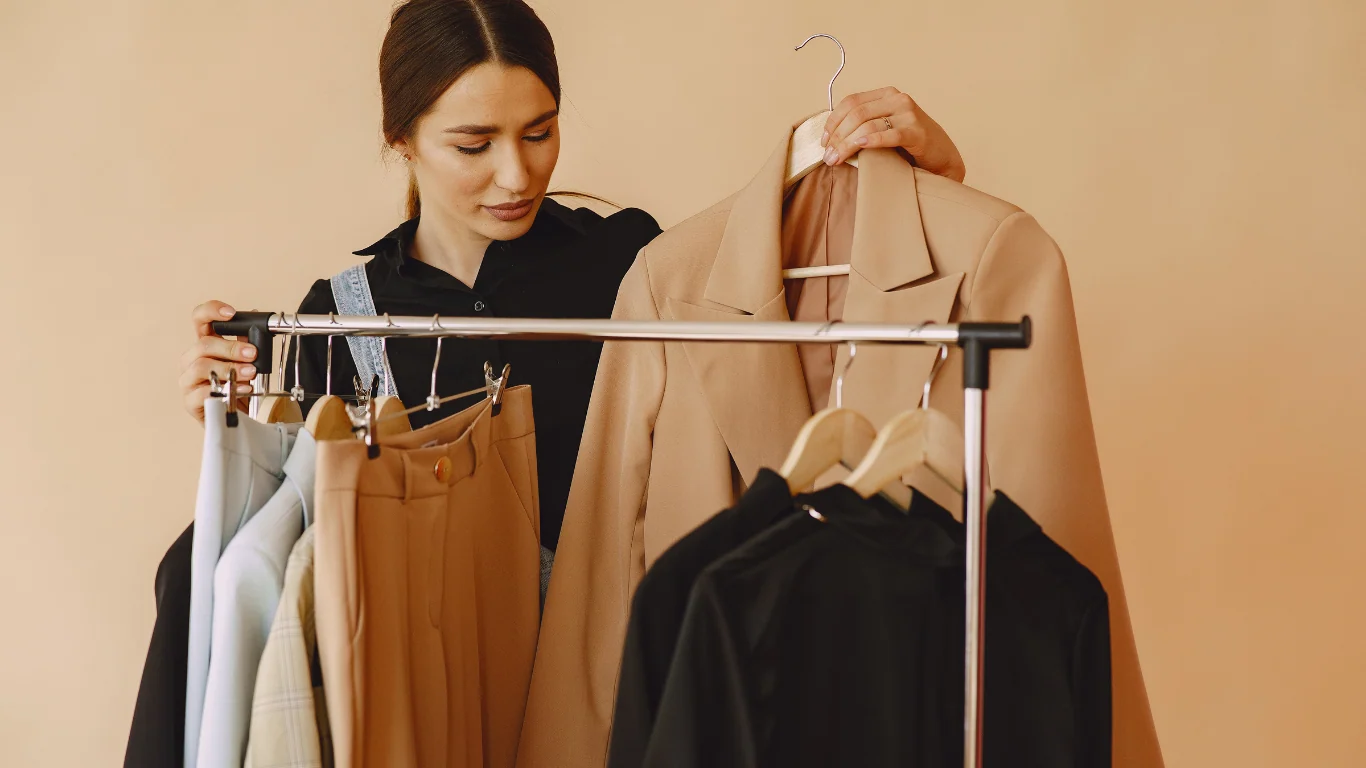

The modern closet presents a curious paradox. Never in retail history have clothing racks and digital storefronts been so densely packed with inexpensive garments, yet millions of people stand before stuffed wardrobes each morning feeling completely paralyzed by the illusion that they have nothing to wear. Hyper-fast fashion cycles have reduced garments to fleeting novelty items, mass-produced from thin petroleum derivatives and assembled along hurried production lines. We own more individual pieces than our grandparents ever did, yet we derive less long-term satisfaction and utility from what hangs in our closets.
Shifting the balance from sheer volume to uncompromised material quality is not an indulgence reserved for luxury connoisseurs. It is a calculated, pragmatic approach to daily living. Investing in well-constructed garments reshapes personal finances, sharpens aesthetic presence, frees mental bandwidth, and curtails an ecological crisis fueled by disposable textiles. True personal style is not measured by the number of hangers crammed onto a closet rod, but by the integrity, longevity, and versatility of the garments you reach for every day.
The Financial Fallacy of Cheap Fashion
The initial appeal of budget retail rests on immediate gratification. A fifteen-dollar dress shirt or a twenty-dollar pair of trousers creates the sensation of an immediate financial win. What mass retailers deliberately obscure, however, is the mathematics of longevity. A low purchase price is rarely the same thing as a low cost of ownership.
The true metric of clothing economics is cost per wear. When a twenty-dollar fast-fashion sweater pills aggressively after three wash cycles, twists along its side seams, and loses its structural elasticity within two months, each wear has cost roughly seven dollars before the garment is discarded or relegated to the back of a drawer. Conversely, a two-hundred-dollar sweater knit from dense, two-ply merino wool that holds its shape, retains its color, and resists friction over five consecutive winters of weekly wear costs less than one dollar per outing.
Cheap clothing is engineered for rapid obsolescence. Mass producers rely on threadbare fabrics and loose, single-needle stitching that cannot withstand the mechanical agitation of standard domestic laundering. When buttons detach, zippers split, or collar points curl permanently after a single dry-cleaning cycle, consumers return to the checkout line to replace items they only recently acquired. Over a multi-year horizon, constantly replacing fragile basics extracts far more discretionary capital than buying a single well-made item from the start.
The Anatomy of Superior Craftsmanship
Recognizing genuine quality requires looking past brand marketing and examining the physical architecture of a garment. Fine clothing is not defined by an embroidered logo on the chest, but by the physical characteristics of its fibers, the precision of its stitching, and the caliber of its hardware.
Natural Fibers and Textile Density
High-grade apparel relies overwhelmingly on natural fibers like long-staple cotton, virgin wool, genuine flax linen, and Mulberry silk. Long-staple cotton fibers produce smooth, durable yarns that resist fraying and surface friction, resulting in a fabric that softens with age rather than disintegrating. Virgin wool naturally repels moisture, regulates temperature across both warm and cool environments, and sheds wrinkles due to the inherent crimp of animal hair.
Low-cost manufacturing, by contrast, relies heavily on short-staple fiber sweepings blended with synthetic binders like polyester, acrylic, and nylon. These synthetic materials trap body heat, lock in odors that normal wash cycles cannot easily break down, and shed surface fibers into messy pills after minimal abrasion. When you handle a high-quality textile, it feels substantial, cool, and dense in the hand, displaying an elasticity that immediately springs back into shape when compressed.
Construction Integrity and Seam Work
Turn any high-end garment inside out, and the disparity in craft becomes immediately apparent. Quality manufacturers finish seams cleanly using flat-felled, taped, or French seam methods where raw fabric edges are entirely enclosed. This shields the garment from fraying and prevents chafing against the wearer’s skin.
Stitch density serves as an undeniable indicator of manufacturing standards. Mass-market clothing routinely uses broad, hurried stitches with eight to ten stitches per inch, leaving seam lines prone to unraveling under tension. Premium garments feature fourteen to eighteen stitches per inch, creating a dense, tight boundary that withstands rigorous daily movement. Furthermore, well-tailored trousers and jackets leave generous seam allowances of an inch or more beneath interior linings, granting tailors sufficient fabric to let out or take in seams as a wearer’s body naturally fluctuates over time.
Hardware and Finishing Details
The small components of a garment are often where low-end brands trim production costs first. High-grade garments incorporate solid horn, bone, corozo nut, or genuine mother-of-pearl buttons attached with crossed lock-stitching that prevents threads from unraveling. Zippers are manufactured from heavy-gauge brass or nickel rather than flimsy plastic coils that jam or split along the teeth. Buttonholes are densely bound with reinforced bar-tacks that prevent raw fabric edges from fraying every time a button passes through.
Cognitive Clarity and Morning Friction
A closet swollen with poor-quality garments exacts a subtle but relentless cognitive toll. When a wardrobe is filled with shirts that are slightly itchy, trousers that pull uncomfortably across the hips, and jackets with drooping shoulders, getting dressed becomes an exercise in frustration. You try on three different outfits, discard each because it does not fit or feel right, and leave the house carrying a lingering sense of dissatisfaction.
Curating a compact collection of exceptional pieces removes decision fatigue entirely. When every item in your closet fits your proportions cleanly, feels comfortable against the skin, and matches your personal standard of presentation, the morning routine transforms into a seamless, confident ritual.
Furthermore, high-quality garments project an undeniable aura of competence. People rarely register the specific brand tag on a stranger’s coat, but the eye instantly perceives the difference between limp synthetic cloth and the crisp, clean drape of substantial wool. Tailoring that sits cleanly across the natural contours of the shoulders and torso communicates poise, intentionality, and self-respect in both professional and social settings.
Environmental Realism in a Disposable Culture
The global textile industry produces over one hundred billion new garments every year, a staggering percentage of which are discarded within twelve months of production. The environmental cost of this disposable velocity is catastrophic.
Synthetic fabrics are fundamentally liquid plastic woven into thread. When washed, polyester, nylon, and acrylic garments shed hundreds of thousands of microscopic plastic fibers into domestic water systems during every single cycle, bypassing municipal wastewater treatment plants and accumulating in marine food chains. Once discarded, synthetic clothing sits in municipal landfills for centuries without decomposing, leaching industrial chemical dyes and toxic fixing agents into local soil and groundwater.
Opting for durability over volume is the most direct, measurable ecological intervention an individual consumer can make. Extending the active lifespan of a piece of clothing by just nine months reduces its carbon, waste, and water footprints by roughly twenty to thirty percent. Natural textiles are inherently biodegradable, renewable, and infinitely easier to repair, repurpose, or recycle at the end of their usable life cycle.
Transitioning from Volume to Value
Rebuilding a relationship with your wardrobe requires patience and tactical restraint. It does not demand that you discard your current clothing overnight and spend a fortune replacing everything at once. Rather, it begins with an immediate pause on impulse buying.
Begin by cataloging the garments you instinctively reach for week after week. Note the shared attributes among those favorites: is it the breathable weight of the cotton, the room in the shoulders, or the neutral tone that pairs effortlessly with everything else? Use those recurring strengths as a blueprint for future acquisitions.
When you must acquire a new piece, focus on versatile, foundational items: an impeccably constructed navy blazer, a pair of raw or rinsed selvedge denim jeans, Goodyear-welted leather footwear that can be resoled indefinitely, or a mid-weight cashmere crewneck. Prioritize timeless silhouettes over micro-trends promoted by social algorithms.
Equally vital is committing to proper garment maintenance. High-quality clothing rewards attentive care. Wash natural fibers at cooler temperatures, dry them on racks rather than running them through high-heat commercial dryers, store tailored pieces on wide cedar hangers that preserve shoulder lines, and build a relationship with a skilled local tailor who can adjust hems and mend seams as needed.
Choosing quality over quantity is an act of defiance against a retail apparatus that treats consumers as passive targets for disposable goods. When you decide that less is vastly more, your closet ceases to be an unmanageable warehouse of cheap compromises and becomes what it was always meant to be: an enduring, functional expression of personal discernment.
