
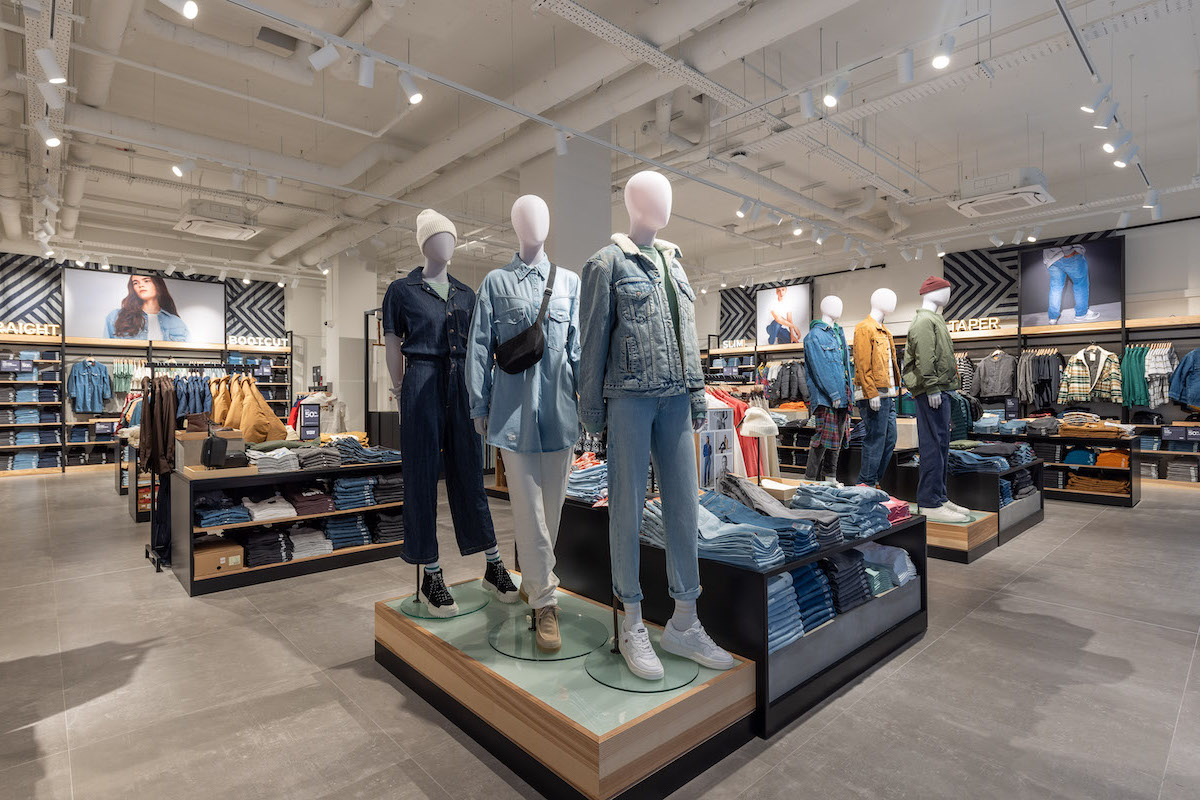

The modern outlet center is built on a carefully maintained illusion. Decades ago, outlet malls served as true industrial clearance depots where department stores and luxury brands offloaded genuine overstock, production overruns, and showroom samples at cut-rate prices. Today, the landscape is radically different. Industry estimates reveal that roughly eighty-five percent of merchandise sold in outlet centers was never displayed in a flagship boutique at all. Instead, it was designed, manufactured, and shipped specifically for the discount channel, featuring cheaper fabrics, simplified stitching, and diluted hardware.
Finding authentic past-season apparel at deep discounts—the true boutique stock slashed by seventy percent or more—requires shedding retail nostalgia and adopting an editor’s critical eye. True retail transfers still make their way to outlet racks every week, but they are tucked between rows of mass-produced diffusion lines. Learning to separate genuine boutique overstock from deliberately cheap factory merchandise is the difference between building an heirloom wardrobe on a budget and filling your closet with disposable clothing at full-price margins.
The Made-for-Outlet Reality: How to Spot Authentic Overstock
To uncover genuine past-season styles, you must first understand how apparel manufacturers label their secondary lines. Brands rarely advertise that their outlet merchandise is manufactured to lower specifications, but their garment tags almost always tell the truth through subtle symbols, serial codes, and secondary label names.
Retailers utilize discreet brand identifiers to keep outlet stock from being returned at full-line stores. J.Crew Factory items, for example, typically display two small embossed dots beneath the brand name on the neck tag or care label. Banana Republic Factory uses three small dots or diamonds arranged in a tiny pyramid below the primary logo. Coach factory bags often feature an “F” embedded within the style number stamped on the internal leather creed patch, while Brooks Brothers reserves its “346” brand label exclusively for factory goods, distinguishing it from the mainline “1818” collection.
When labels lack obvious manufacturer stamps, the fabric composition label provides definitive proof. Mainline retail garments lean heavily on natural fibers like high-gauge cotton, virgin wool, silk, and linen. Made-for-outlet counterparts frequently substitute these with synthetic blends, introducing acrylic, polyester, or rayon to lower production overhead. A classic boutique blazer might feature a hundred percent wool shell with a cupro lining, while its factory lookalike relies on a polyester-viscose blend with an acetate lining that traps heat and pills after three wears.
Construction details confirm what the tag suggests. Turn garments inside out in the fitting room. Authentic retail garments feature finished interior seams, generous hem allowances that allow for tailoring, double-stitched stress points, and pattern matching along the side seams. Made-for-outlet garments consistently cut corners: pattern prints do not align across seams, pocket linings are cut from thin mesh or synthetic scraps, buttonholes feature loose threads, and hardware feels hollow or coated rather than solid and cold to the touch.
Timing the Seasonal Inventory Pipeline
Boutique retail transfers do not arrive on outlet floors randomly. They follow a predictable supply chain schedule dictated by retail fiscal quarters and seasonal transitions. Flagship boutiques hold their merchandise through standard promotional cycles before shipping remaining inventory to regional logistics centers. From there, goods are consolidated and pushed out to select outlet branches to clear floor space for incoming collections.
The two most lucrative buying windows arrive between January and late February, and again from late July through August.
During the late winter window, flagship stores purge heavy cold-weather inventory, including tailored cashmere overcoats, shearling jackets, heavy-gauge knitwear, and holiday formalwear. These pieces enter the outlet channel just as consumer interest shifts toward spring arrivals, resulting in steep initial reductions compounded by clearance promotions. The mid-summer window sees an identical dynamic for warm-weather staples, where silk dresses, linen suiting, premium swimwear, and leather sandals hit clearance racks at fraction-of-original pricing.
Day-of-the-week timing is equally critical. Most outlet shoppers visit on Saturday and Sunday afternoons, browsing picked-over displays and enduring crowded fitting rooms. Warehouse logistics teams, however, typically deliver transfer shipments between Monday and Wednesday. Shopping on a Tuesday morning or Wednesday early afternoon places you on the floor just as sales associates unbox fresh inventory and hang genuine boutique transfers on the racks, well before the weekend rush thins out desirable sizing.
Cracking Clearance Mechanics and Markdown Stickers
True seventy percent discounts rarely sit on the pristine tables located at the front of an outlet store. Retailers position high-margin, made-for-outlet items near the entrance, paired with confusing promotional signage like “Buy One, Get One Fifty Percent Off” or “Take Forty Percent Off Ticketed Price.” In reality, these promotions merely bring inflated retail tags down to standard everyday street prices.
The real bargains are tucked away along the back perimeter walls and back corners of the sales floor, labeled simply as clearance. This is where transferred boutique inventory ultimately lands when sales associates need to purge mixed-category items quickly.
To verify a true seventy percent discount, examine the price tag closely:
-
Inspect layered barcode stickers: Retailers progressively mark down slow-moving stock using physical adhesive labels. Peel back the corner of clearance stickers to reveal the original retail price. If the bottom tag shows a full-line retail ticket without factory branding, you are holding genuine mainline stock.
-
Decode price endings: Many national retailers use terminal digits to signal inventory status. A price ending in ninety-nine cents often signifies standard pricing, whereas figures ending in ninety-seven, ninety-eight, or ending with a handwritten red ink strike indicate final-round liquidations that can be discounted further.
-
Watch for promotional stacking: The seventy-percent threshold is usually crossed by combining a clearance markdown with a storewide category promotion. A tailored blazer originally priced at four hundred dollars in a flagship store may be marked down to one hundred sixty dollars on the outlet clearance rail. When the store runs an additional fifty percent off clearance promotion, that blazer drops to eighty dollars, achieving an eighty percent overall reduction.
Joining the outlet center’s customer loyalty network or stopping by the property management office for an on-site coupon book can yield an additional ten to fifteen percent discount on your total receipt. Some brands also offer unadvertised floor discounts of ten percent if a garment has a minor, easily repairable flaw—such as a missing horn button or a fallen hem—which associates are authorized to apply at the register upon request.
High-Value Categories to Target and What to Walk Away From
Not every garment on the clearance rack is worth purchasing, even at seventy percent off. Smart outlet shopping centers on longevity and material value rather than impulse buying based solely on a discounted tag.
High-Yield Investment Pieces
-
Structured outerwear: Wool coats, trench coats, and technical parkas represent the highest return on investment. The cost difference between boutique manufacturing and factory-grade manufacturing is most pronounced in outerwear tailoring, structural canvas, and weatherproofing treatments.
-
Goodyear-welted and stitched footwear: High-end boutique footwear transfers retain structural longevity that factory-specific shoes cannot match. Look for genuine leather soles, solid brass eyelets, and stitched welts that can be resoled by a cobbler.
-
Premium selvedge and raw denim: Boutique jeans rely on heavyweight cotton woven on traditional shuttle looms. Look for finished self-edges along the outseam and solid copper rivets.
-
Heavyweight knitwear: Search for garments containing single-origin merino wool, cashmere, or heavy gauge alpaca that feel dense rather than airy. Low-quality factory knits often feel artificially soft because manufacturers apply chemical silicone washes that wash out after the first cleaning cycle.
Items to Leave on the Rack
-
Screen-printed logo apparel: T-shirts, fleece hoodies, and lightweight sweatshirts emblazoned with prominent logos are manufactured almost exclusively for outlet production. They carry inflated price tags specifically designed to look attractive during flat-percentage sales, yet offer minimal durability.
-
Synthetically blended formal shirts: Lightweight dress shirts composed of high-percentage polyester blends will pill, yellow at the collar, and retain odors. Unless a shirt is woven from two-ply Egyptian or Pima cotton, it does not warrant space in your wardrobe.
-
Unlined seasonal trend pieces: Hyper-trendy items cut from flimsy viscose or acrylic were likely rushed through low-cost manufacturing cycles. Buying a fleeting micro-trend at an outlet center usually results in closet clutter rather than genuine styling value.
The Art of Curating a Timeless Discounted Wardrobe
Successful outlet shopping requires discipline. The sheer volume of inventory, combined with brightly colored sale signs and visual clutter, is intentionally designed to trigger sensory overload and encourage impulse buying.
Before stepping foot into a center, establish a precise inventory of what your current wardrobe actually lacks: a navy wool blazer, a neutral trench coat, or dark-wash straight-leg denim. When you pull a piece from the clearance rack, ignore the markdown percentage entirely for a moment. Examine the garment on its own merits. Inspect the weight of the fabric, the quality of the stitching, the drape of the silhouette, and the comfort of the fit.
If an item was designed with integrity, crafted from enduring natural textiles, and cut to a classic standard, securing it at seventy percent off transforms outlet shopping from an exercise in retail compromise into a high-reward wardrobe strategy.
