
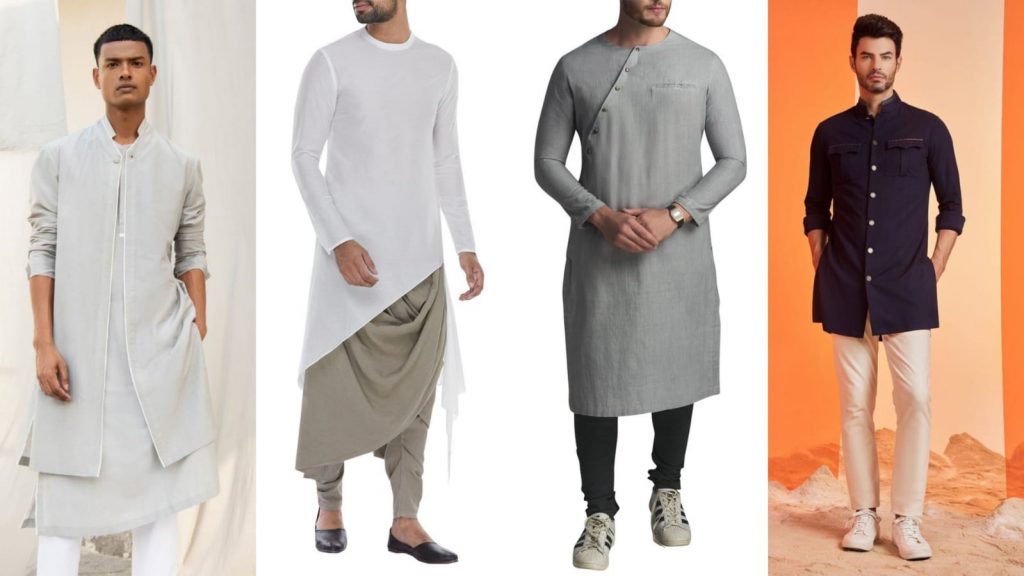

In the past, formal attire referred to a single concept: a dark suit, a white shirt, and a boring tie. While this definition is still valid, it is not the only option available today. Throughout weddings, gala events, and milestone occasions, men are resisting the uniformity of conventional formal clothing and searching for something more substantial – both physically and emotionally speaking.
This trend is not about being rebellious. Instead, it’s about being true to oneself. The most remarkable outfits at any formal gathering are those that seem deliberately chosen, have a story, or represent a specific decision, as opposed to a default option. This is what is fueling the trend of custom accents and heritage clothing in formalwear.
Heritage wear has outgrown its regional borders
Scottish Highland dress is the clearest example of this. A generation ago, kilts and full Highland dress were largely confined to Scottish weddings, Burns Night suppers, or specific regimental occasions. That’s changed. Across Europe, North America, and beyond, men with no direct Scottish ancestry are choosing Highland dress for black tie events because it reads as the real deal – not as costume, but as a considered alternative to the standard tuxedo.
Part of what makes it work is that the garments themselves are serious. Heavyweight wool, precise pleating, the traditional accessories like the sporran and sgian-dubh aren’t decorative afterthoughts. They’re functional elements with historical depth, and that comes through when someone wears the outfit correctly. It signals effort in a way that an off-the-rack dinner suit rarely does.
The rental model is changing who can access premium formal wear
A more pragmatic change in this space has been the rise of high-end rental. For Highland dress specifically, this is game-changing. A full bespoke kilt outfit – jacket, waistcoat, kilt, hose, brogues, and accoutrements – is a considerable outlay. A service such as Kilt Hire by 8 Yards means grooms and guests can wear the real deal, properly fitted Highland dress for the specific occasion it needs – and neither the quality nor the finances will be crippled by the quantity. The rental-luxe model radically broadens who has access to heritage attire that, plainly, most people wouldn’t be able to afford for a one-off formal event.
This also loops back into the sustainability discussion. Renting a high-quality, traditional-textile made garment is a better decision than buying something flimsy. Heavyweight wool kilts and tailored Highland jackets are designed to last for 20 years or more. Renting them means they get worn, not hang in a cupboard.
Customization lives in the details
The current trend in formal attire does not involve reinventing the wheel, or silhouettes if you will, but focusing on the minutiae. A jacket featuring a lining that is unique to you. A tartan chosen specifically in order to subtly nod to your family’s ancestry. Customizing buttons and moving away from run-of-the-mill plastic versions to horn or metal alternatives. These are not details that can necessarily be seen from across a room, but that is not the point. It is the wearer for whom these details are important, and that man is increasingly what the details are about.
Increasingly, sartorial customization has become a way of resembling the rest of the gentlemen within a given style of dress rather than standing out as a peacock who flaunts his individuality. You can turn up to a black tie dinner in a garment that technically meets every single requirement of the dress code and yet still be wearing something that is utterly yours and yours alone. The rules did not disappear, they have simply become the box which people dress inside of more creatively.
Nowhere is this more plain to see than in groomswear. Wedding parties regularly flout the strict traditions of Highland dress in terms of contemporary tailoring. Traditional tartans are being matched to wedding colour palettes and modern, slim cut trousers. Traditional jackets are being adapted to be paired with said trousers. The end result is an image of formal wear that is striking in photographs, feels deeply personal as you wear it, and that does not look like you simply helped yourself to the massed produced, off-the-rack version of the outfit at six other weddings that weekend.
Traditional textiles in modern cuts
The argument for aesthetics is simple. Heavyweight tweeds and wools simply feel different to the touch unlike synthetic blends, especially when shaped in a modern cut – closer to the body, with a little less excess fabric here and there, cleaner lines. It’s a new style but one that will age well over time, swinging between two different eras of wearing a suit without either looking confused.
That middle-ground is almost certainly what most guys are looking for when they say they want heritage formal wear. They don’t want to look like they’ve just walked out of a historical canvas, but they would like what they’re wearing to look like it’s worth saving in the attic for their grandkids.
The formal wear market is easily big enough to cater to both appetites, and the particularly attractive thing about where to throw your retail / rental dollars right now is that the two collide right at this sweet spot. Custom detailing, heritage textiles, and good-quality rentals are all pulling towards the same thing: away from nothing-in-particular, and toward something-worth-saving.

Comments are closed.