
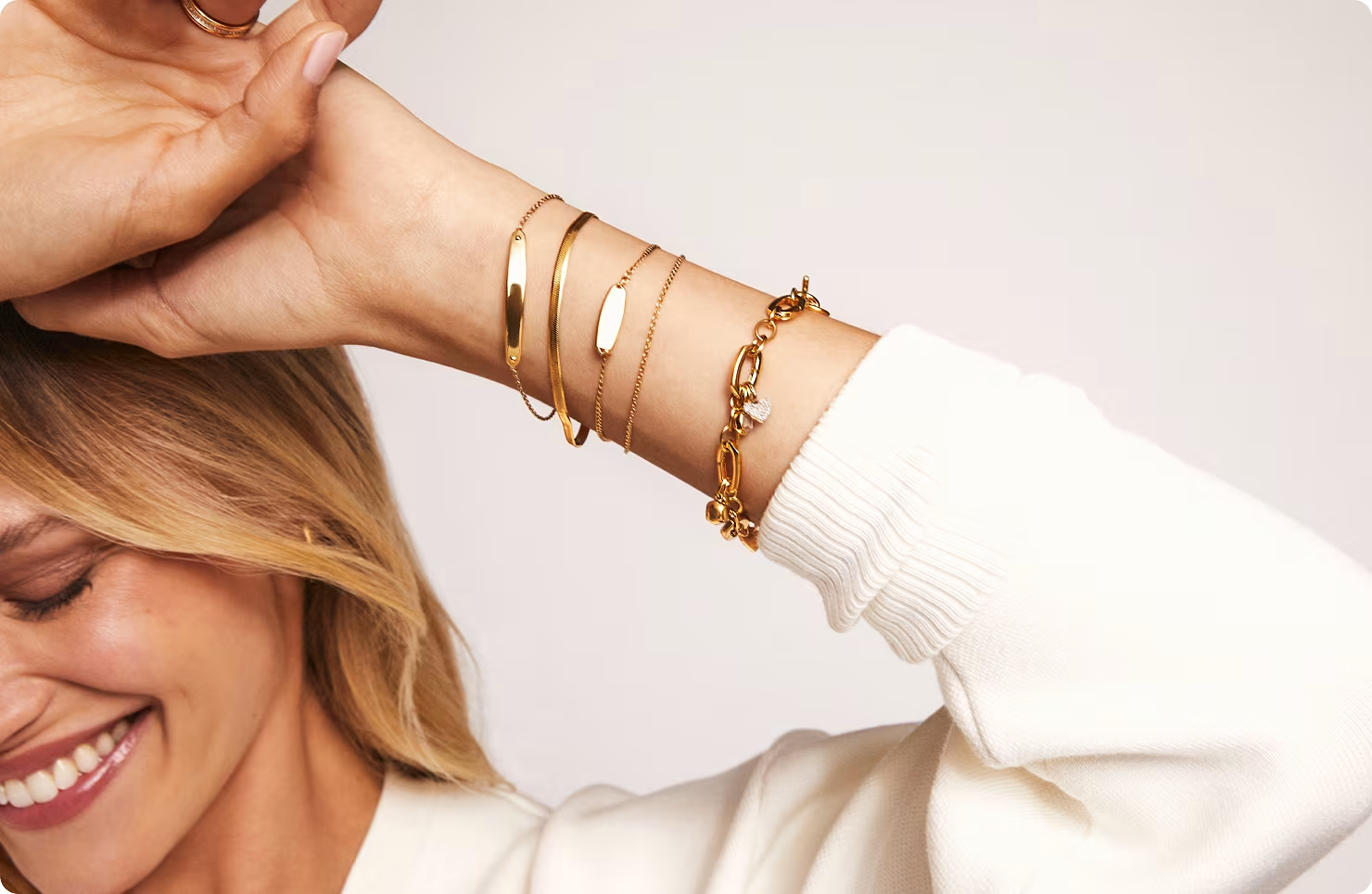

Jewelry has long been a symbol of personal expression, cultural identity, and artistic innovation. From ancient civilizations to contemporary fashion runways, jewelry reflects the sophistication, taste, and social significance of its wearer. This article delves into the multifaceted world of jewelry, exploring its historical roots, materials, design evolution, and modern-day trends while offering insights into care, investment, and style choices.
The Historical Significance of Jewelry
Origins and Early Use
Jewelry dates back tens of thousands of years, with archaeological evidence showing the use of shells, bones, and stones as adornments by prehistoric humans. Ancient Egyptians were among the first to refine jewelry into intricate forms, using gold, semi-precious stones, and colored glass to convey social hierarchy and religious beliefs. Jewelry served as amulets, protective talismans, and markers of wealth and power.
Jewelry Across Civilizations
- Mesopotamia: Crafted intricate pieces in gold and silver, often engraved with symbols to represent gods or royalty.
- Greece and Rome: Focused on aesthetics and status, with gemstones like emeralds, sapphires, and pearls highly prized. Roman jewelry often carried inscriptions or motifs tied to personal identity.
- Asia: Indian and Chinese cultures developed elaborate designs incorporating gemstones and elaborate metalwork, emphasizing spirituality and cultural symbolism.
- Europe: The Renaissance period ushered in a new era of jewelry, emphasizing artistic expression and individualism, with gemstones set in complex arrangements that mirrored painting and architecture trends.
Materials Used in Jewelry
Precious Metals
- Gold: Long celebrated for its lustrous appearance and resistance to tarnish. Its karat value indicates purity, with 24K being the purest form.
- Silver: Valued for its versatility and affordability, often used in intricate filigree and engraving.
- Platinum: A durable and hypoallergenic metal, often favored for engagement rings and heirloom-quality pieces.
Gemstones
Gemstones are a focal point in jewelry design. They can be classified into two categories:
- Precious Stones: Diamonds, rubies, emeralds, and sapphires, renowned for rarity and durability.
- Semi-Precious Stones: Amethyst, topaz, garnet, and citrine, offering vibrant colors and affordability.
Alternative Materials
Modern jewelry increasingly incorporates unconventional materials, including:
- Titanium and stainless steel for contemporary, minimalist designs.
- Resin and acrylic for colorful and experimental pieces.
- Ethically sourced gemstones to promote sustainability and responsible luxury.
Jewelry Design and Craftsmanship
Traditional Techniques
Master jewelers rely on a combination of handcrafting and technical expertise:
- Casting: Pouring molten metal into molds to create detailed shapes.
- Engraving: Adding intricate designs or inscriptions for personalization.
- Filigree: Delicate metalwork creating lace-like patterns.
- Enameling: Adding colored glass for decorative effects.
Modern Innovations
The evolution of technology has transformed jewelry production:
- 3D Printing: Allows rapid prototyping and customization of complex designs.
- Laser Cutting and Engraving: Offers unparalleled precision for intricate patterns.
- CAD Software: Facilitates virtual design and realistic renderings before physical creation.
Styles and Trends
- Minimalist Jewelry: Simple lines, geometric shapes, and understated elegance dominate modern fashion.
- Statement Pieces: Bold, oversized designs often serve as focal points of an outfit.
- Vintage and Antique Reproductions: Classic motifs reimagined for contemporary wear.
- Personalized Jewelry: Initials, names, and custom inscriptions create meaningful, one-of-a-kind items.
Jewelry as an Investment
Economic and Emotional Value
Beyond aesthetics, jewelry can be a tangible asset. Precious metals and gemstones often retain or appreciate in value. Diamonds, in particular, are recognized globally for their market stability. Investing in jewelry requires understanding authenticity, grading, and provenance.
Factors Influencing Value
- Material quality: Purity of gold, platinum, or gemstones.
- Craftsmanship: Handcrafted pieces typically command higher prices.
- Rarity: Unique gemstones or limited-edition designs enhance value.
- Brand reputation: Well-known jewelers often produce collectible items.
Tips for Investment
- Acquire pieces with clear certification of metal purity and gemstone grading.
- Choose timeless designs to ensure longevity and resale appeal.
- Maintain proper care and storage to preserve condition and market value.
Jewelry Care and Maintenance
Cleaning Techniques
Proper cleaning extends the life of jewelry:
- Gold and Silver: Use mild soap and warm water with a soft cloth; avoid abrasive materials.
- Gemstones: Clean with a soft brush, considering stone hardness; some, like opals and pearls, require extra care.
- Platinum: Gentle polishing restores shine without compromising integrity.
Storage Solutions
- Use individual compartments to prevent scratching.
- Avoid exposure to chemicals, extreme heat, or humidity.
- Opt for anti-tarnish pouches or boxes for silver pieces.
Regular Inspections
- Check prongs and settings to prevent gemstone loss.
- Inspect clasps, chains, and mounting for signs of wear.
Cultural and Symbolic Meanings
Jewelry and Identity
Jewelry often signifies social status, religious belief, or personal milestones. Engagement rings, wedding bands, and family heirlooms carry deep sentimental value. Ethnic and tribal jewelry conveys heritage and cultural pride.
Symbolism of Gemstones
- Diamond: Strength, eternity, and clarity.
- Ruby: Passion, vitality, and protection.
- Emerald: Renewal, growth, and balance.
- Sapphire: Wisdom, loyalty, and nobility.
Jewelry in Rituals and Ceremonies
Many cultures use jewelry in religious or ceremonial contexts, including:
- Weddings and betrothals
- Spiritual rituals
- Coming-of-age ceremonies
Modern Jewelry Trends
Sustainable and Ethical Jewelry
Consumers increasingly demand ethically sourced materials. Lab-grown diamonds, recycled metals, and conflict-free gemstones are gaining popularity.
Technology-Enhanced Jewelry
Wearable tech integrates seamlessly with fashion:
- Smart rings and bracelets track health metrics.
- Jewelry can double as digital payment tools.
Customization and Personalization
- Engraved charms, initials, and birthstones allow unique self-expression.
- Modular designs let wearers alter components for different looks.
Celebrity Influence and Media
Fashion icons and social media play a significant role in popularizing trends. Limited-edition collaborations and influencer endorsements drive consumer interest.
Practical Tips for Choosing Jewelry
Consider Occasion and Lifestyle
- Everyday wear favors durable, low-maintenance pieces.
- Special events allow for elaborate designs and statement accessories.
Matching Metals and Gemstones
- Harmonize with wardrobe colors and skin tones.
- Mix metals carefully to avoid clashing aesthetics.
Balance and Proportion
- Scale jewelry according to body size and attire.
- Layering necklaces or stacking rings can create depth and visual interest.
FAQs About Jewelry
What is the best way to identify authentic gemstones?
Gemstones should be certified by reputable institutions like GIA or IGI, which evaluate authenticity, cut, color, clarity, and carat.
How often should jewelry be professionally cleaned?
Professional cleaning and inspection are recommended at least once a year to maintain integrity and appearance.
Can jewelry lose value over time?
While some pieces may depreciate, high-quality gemstones, precious metals, and rare designs generally retain or appreciate in value.
Are lab-grown diamonds real diamonds?
Yes, lab-grown diamonds are chemically and physically identical to natural diamonds, offering an ethical and often more affordable alternative.
What is the difference between costume jewelry and fine jewelry?
Costume jewelry uses less expensive materials and is primarily decorative, while fine jewelry is crafted from precious metals and genuine gemstones with lasting value.
Jewelry is more than just an accessory; it is a reflection of artistry, history, and personal identity. Understanding the intricacies of materials, design, and symbolism allows collectors and enthusiasts to appreciate its depth and invest wisely, while trends and innovation continue to shape the future of adornment.
This comprehensive exploration demonstrates that jewelry is both an art form and a cultural touchstone, blending aesthetic appeal with meaningful expression.

Comments are closed.