
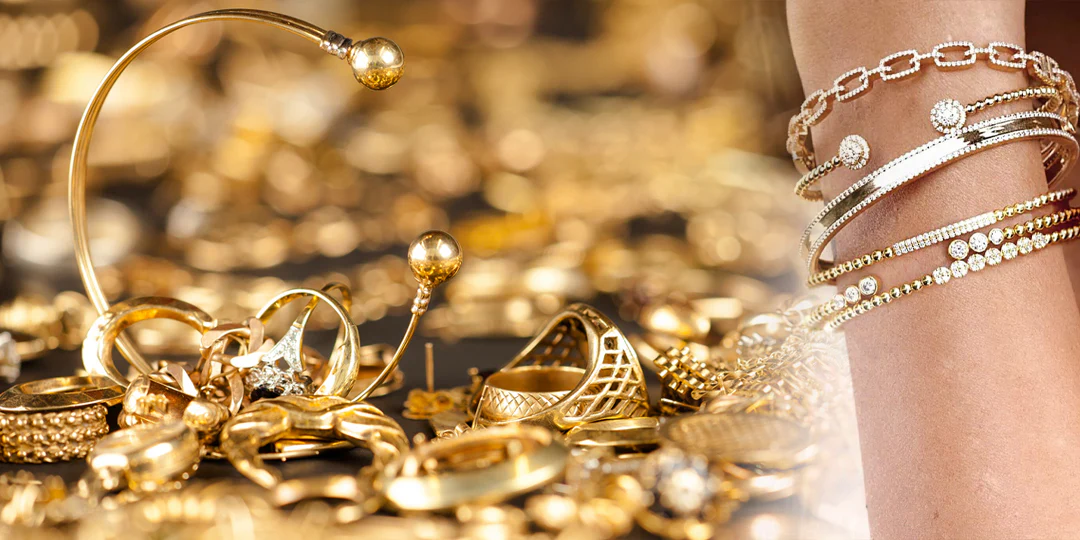

Jewelry is more than an accessory; it is a statement of personal style, cultural heritage, and, in many cases, a financial investment. Understanding the intricacies of jewelry—from materials and craftsmanship to trends and care—can help both enthusiasts and buyers make informed decisions. Whether you are selecting a piece for personal adornment, gifting, or investment purposes, a deep understanding of jewelry enhances appreciation and ensures value retention.
The Significance of Jewelry
Jewelry has played an essential role in human history, symbolizing status, wealth, and personal expression.
Cultural and Historical Importance
- Ancient civilizations: Jewelry in Egypt, Mesopotamia, and India was often a symbol of power, spirituality, and social hierarchy.
- Cultural symbolism: Many cultures use jewelry in rituals, weddings, and festivals to signify milestones, protection, or fortune.
- Artistic expression: Jewelry is an intersection of artistry and craftsmanship, often reflecting societal trends, aesthetic values, and technological advancements.
Emotional and Social Impact
- Personal expression: Jewelry communicates individual style, personality, and sometimes beliefs or affiliations.
- Gift and sentiment: Jewelry is often chosen for its emotional value, serving as a token of love, friendship, or remembrance.
- Status signaling: Certain high-value pieces convey wealth and prestige in social and professional contexts.
Types of Jewelry
Jewelry can be categorized based on material, design, and function, each serving different purposes and aesthetic preferences.
Precious Metals
- Gold: Valued for its luster, rarity, and malleability; available in yellow, white, and rose variations.
- Silver: Popular for its affordability, versatility, and reflective quality.
- Platinum: Extremely durable and rare, often used for high-end rings and engagement jewelry.
- Palladium: Lightweight, hypoallergenic, and increasingly popular in contemporary designs.
Gemstones
Gemstones enhance jewelry aesthetics and carry symbolic meanings:
- Diamonds: Represent strength, purity, and luxury; commonly used in engagement rings and high-end jewelry.
- Emeralds: Known for their vibrant green hue, associated with prosperity and growth.
- Rubies: Symbolize passion, vitality, and love.
- Sapphires: Durable and versatile, representing wisdom and loyalty.
- Semi-precious stones: Amethyst, topaz, and garnet offer affordability while adding color and uniqueness.
Types by Design and Purpose
- Rings: From engagement rings to fashion rings, they range from simple bands to intricate gemstone settings.
- Necklaces and pendants: Vary from minimalist chains to statement pieces with elaborate designs.
- Earrings: Include studs, hoops, and drop designs, offering versatility for casual and formal wear.
- Bracelets and bangles: Can be delicate or chunky, often layered for modern styling.
- Brooches and pins: Traditionally ornamental, now often used as statement accessories.
Jewelry Craftsmanship and Design
The artistry behind jewelry combines skill, precision, and creativity.
Techniques in Jewelry Making
- Casting: Molten metal is poured into molds to create detailed designs.
- Handcrafting: Artisans use traditional techniques to shape, engrave, and assemble pieces.
- Stone setting: Involves securing gemstones into designs with prongs, bezels, or channels.
- Enameling and plating: Adds color and protective coatings to enhance durability and aesthetics.
Design Trends
- Minimalist design: Sleek, understated pieces for everyday wear.
- Statement pieces: Bold, intricate designs for formal occasions or personal expression.
- Vintage and antique styles: Reflect historical eras, often with intricate detailing and storytelling elements.
- Contemporary innovations: Incorporate mixed metals, unconventional gemstones, or technology-driven enhancements like 3D printing.
How to Choose Jewelry
Selecting jewelry requires considering style, occasion, durability, and personal preference.
Understanding Materials
- Examine metal purity: Gold is measured in karats, silver in sterling grade, and platinum in percentage purity.
- Assess gemstone quality: Evaluate cut, clarity, color, and carat weight (the four Cs).
- Consider hypoallergenic properties: Platinum and palladium are ideal for sensitive skin.
Matching Jewelry to Style
- Occasion: Everyday jewelry favors simplicity, while formal events may call for elaborate or statement pieces.
- Wardrobe coordination: Jewelry should complement color, texture, and style of clothing.
- Body proportions: Scale jewelry to suit your frame for visual balance.
Budget Considerations
- Decide on spending limits and prioritize quality over quantity.
- Explore alternatives like lab-grown gemstones or mixed metals for affordability.
- Balance sentimental value with financial investment, particularly for heirloom or investment-grade pieces.
Jewelry Maintenance and Care
Proper care extends the life, beauty, and value of jewelry:
- Regular cleaning: Use gentle cleaners appropriate for metal and gemstones.
- Proper storage: Store pieces separately in soft pouches or compartments to avoid scratching.
- Inspection and repair: Periodically check clasps, settings, and chains for damage.
- Avoid exposure: Limit contact with chemicals, perfumes, or excessive moisture to maintain luster.
Tips for Specific Jewelry Types
- Gold and silver: Polish periodically to remove tarnish.
- Gemstones: Avoid extreme heat or sunlight for sensitive stones like opals or emeralds.
- Platinum and palladium: Require minimal maintenance but benefit from professional cleaning for shine.
Jewelry as an Investment
Beyond aesthetic appeal, jewelry can serve as a financial asset:
- Precious metals: Gold, platinum, and high-purity silver retain intrinsic value.
- Gemstones: High-quality diamonds and rare colored gemstones appreciate over time.
- Collectible pieces: Designer or antique jewelry can gain value due to rarity, historical significance, or craftsmanship.
Evaluating Jewelry for Investment
- Verify authenticity through certificates from reputable gemological labs.
- Assess market trends and demand for certain materials or styles.
- Consider liquidity, resale value, and potential for appreciation.
Real-Life Applications of Jewelry
Personal Use
- Daily accessories: Minimalist rings, necklaces, and studs for functional elegance.
- Special occasions: Weddings, anniversaries, or celebrations often call for statement jewelry.
- Sentimental pieces: Heirlooms or personalized items that carry emotional significance.
Gifting
- Engagement or wedding rings symbolize commitment.
- Birthstone jewelry personalizes gifts for birthdays.
- Anniversary or milestone gifts commemorate achievements or relationships.
Professional and Social Significance
- Networking and corporate settings: High-quality jewelry communicates professionalism and status.
- Social events: Jewelry enhances presence, complements attire, and can serve as conversation starters.
FAQs About Jewelry
Q1: How can I tell if a gemstone is authentic?
Check for certification from recognized labs, assess clarity and cut, and consult a reputable jeweler for verification.
Q2: Is lab-grown jewelry as valuable as natural gemstones?
Lab-grown gemstones are chemically identical to natural ones but may have lower resale value; however, they offer an ethical and sustainable alternative.
Q3: How should I store different types of jewelry?
Store each piece separately in soft pouches or compartments to prevent scratches, tangling, or damage.
Q4: What is the best way to clean gold and silver jewelry?
Use mild soap, warm water, and a soft cloth; avoid abrasive cleaners or harsh chemicals that can damage metals and gemstones.
Q5: Can jewelry be a reliable long-term investment?
Yes, high-quality precious metals, certified gemstones, and collectible pieces often retain or increase value over time, making them a viable investment option.
Jewelry embodies artistry, personal expression, and financial value, blending aesthetic appeal with cultural and emotional significance. By understanding materials, craftsmanship, maintenance, and investment potential, individuals can select, care for, and appreciate jewelry in ways that enhance both beauty and value. From everyday adornment to heirloom pieces, mastering the world of jewelry ensures informed choices and meaningful connections through style and symbolism.

Comments are closed.