
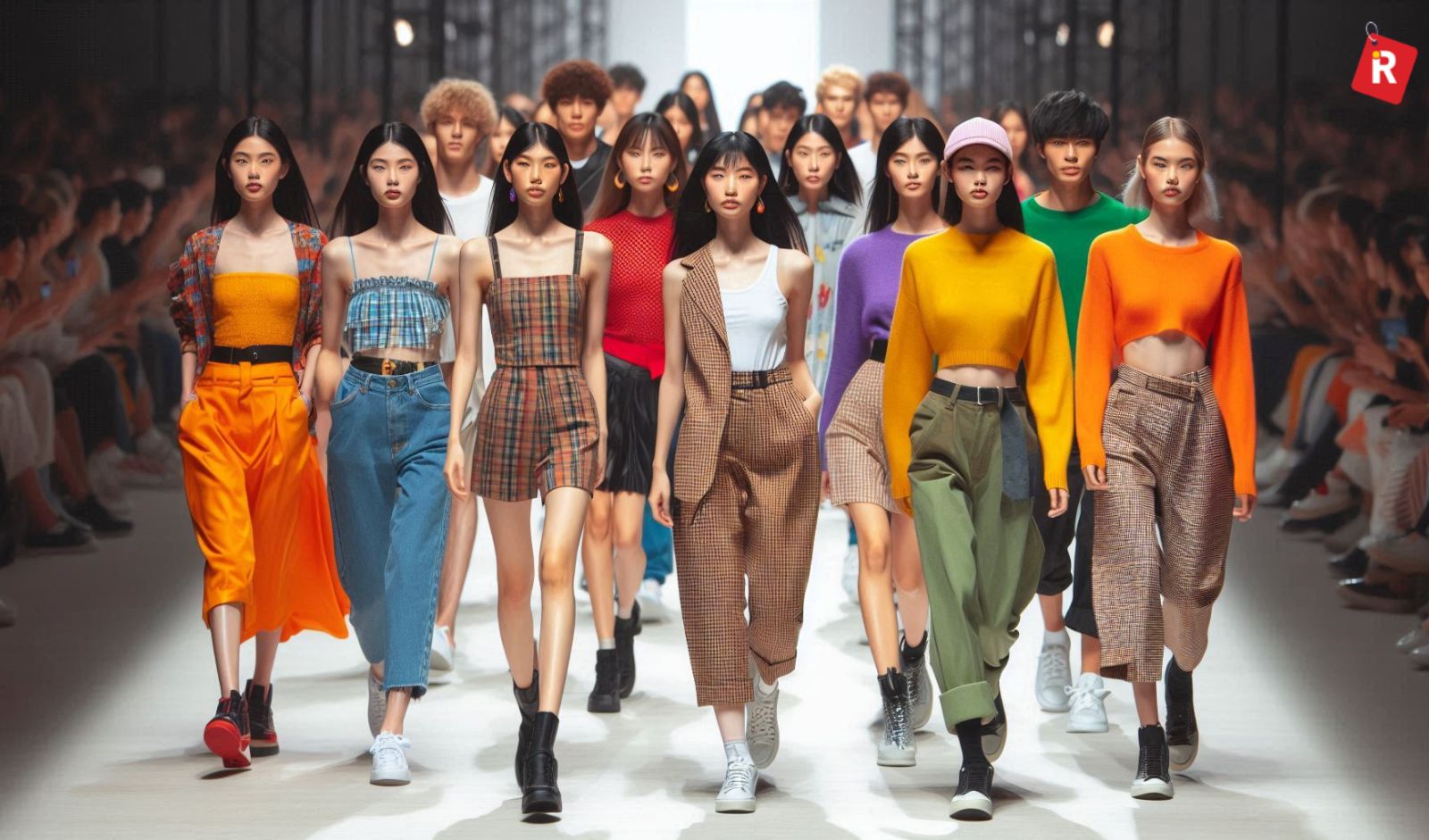

Fashion is more than clothing; it is a reflection of culture, identity, and creativity. Understanding fashion involves analyzing materials, design principles, industry trends, consumer behavior, and the environmental and ethical considerations that shape how we dress today. This article delves into the complexities of fashion, providing an evidence-backed, in-depth guide for consumers, designers, and industry enthusiasts.
The Essence of Fashion
Fashion serves multiple purposes beyond aesthetics. It communicates individuality, aligns with social norms, and can even signify economic or professional status. Recognizing these dimensions is essential for anyone interested in the fashion industry.
Fashion as a Form of Expression
- Identity and personality: Clothing and accessories allow individuals to express personal tastes and lifestyles.
- Cultural reflection: Traditional patterns, fabrics, and silhouettes often inform contemporary fashion.
- Social signaling: Outfits can communicate professional status, group affiliation, or lifestyle choices.
Psychological Impact of Fashion
Fashion influences not only how others perceive us but also how we perceive ourselves:
- Confidence and self-esteem: Well-chosen outfits can improve personal confidence and presence.
- Mood and behavior: Certain colors, patterns, and textures can affect mood and productivity.
- Perception management: Dressing appropriately for social and professional contexts affects credibility and trustworthiness.
Key Elements of Fashion
Fashion combines various elements that shape the overall aesthetic and functionality of clothing and accessories.
Design Principles
Fashion designers balance form, function, and creativity through:
- Silhouette and fit: Shapes and cuts define the structure and movement of garments.
- Color theory: Colors influence visual appeal, emotional response, and seasonal trends.
- Texture and fabric: Materials affect comfort, durability, and perceived quality.
- Pattern and detailing: Prints, embroidery, and embellishments enhance uniqueness and style.
Fabric and Material Innovation
Material choice is a cornerstone of fashion, impacting both aesthetics and sustainability:
- Natural fabrics: Cotton, silk, wool, and linen offer breathability, softness, and durability.
- Synthetic fabrics: Polyester, nylon, and spandex provide stretch, resilience, and cost-effectiveness.
- Blended fabrics: Combining natural and synthetic fibers balances comfort with practicality.
- Technical textiles: Smart fabrics with moisture-wicking, temperature regulation, or wearable technology are emerging trends in fashion innovation.
Fashion Industry Dynamics
The fashion industry operates at the intersection of creativity, commerce, and consumer demand. Understanding its dynamics is crucial for professionals and enthusiasts alike.
Trend Development and Market Cycles
- Seasonal trends: Designers release spring-summer and fall-winter collections to reflect weather and style shifts.
- Influencer impact: Social media personalities and content creators often drive trend adoption.
- Cultural events: Music festivals, film premieres, and global events inspire new fashion directions.
- Consumer behavior: Real-time sales data, search trends, and feedback guide production decisions.
Fashion Business Strategies
Businesses in fashion rely on strategic planning to remain profitable and competitive:
- Inventory management: Accurate forecasting prevents overstock and stockouts.
- Pricing strategies: Cost-plus, value-based, and dynamic pricing methods maximize revenue while maintaining competitiveness.
- Brand positioning: Differentiating through quality, storytelling, and sustainability strengthens customer loyalty.
Technology and Fashion
Digital tools are transforming how fashion is designed, marketed, and sold:
- 3D design software: Streamlines the prototyping and sampling process.
- AI-driven trend forecasting: Predicts popular styles and colors using data analytics.
- E-commerce platforms: Enable global reach and direct consumer engagement.
- Virtual fashion: Augmented reality (AR) and digital clothing allow for interactive shopping experiences and innovative marketing.
Sustainable and Ethical Fashion
Sustainability has become a core concern in modern fashion. Ethical practices and eco-conscious choices are increasingly demanded by consumers and regulatory bodies.
Sustainable Materials
- Organic textiles: Reduces pesticide use and environmental impact.
- Recycled fibers: Transforms waste materials into wearable fabrics.
- Eco-friendly dyes: Minimize water usage and chemical pollution.
Ethical Manufacturing
- Fair labor practices: Ensuring safe working conditions and fair wages.
- Transparency: Brands providing supply chain visibility empower consumers to make informed choices.
- Certifications: GOTS, OEKO-TEX, and Fair Trade labels verify sustainable and ethical practices.
Waste Reduction
- Upcycling and clothing recycling extend garment lifecycles.
- Minimalist wardrobes encourage mindful consumption and reduce waste.
- Fashion rental and resale models promote circular fashion.
Fashion Consumer Insights
Understanding consumer behavior is essential for designing and marketing fashion effectively.
Buying Motivations
- Functionality vs. aesthetics: Consumers balance comfort and style depending on the context.
- Trend adoption: Many buyers follow seasonal trends influenced by social media, celebrities, or peer recommendations.
- Value perception: Quality, durability, and brand story affect willingness to pay.
Shopping Channels
- Brick-and-mortar stores: Allow for tactile experience, immediate purchase, and personalized service.
- Online retail: Offers convenience, wider variety, and often competitive pricing.
- Social commerce: Platforms like Instagram and TikTok enable in-app purchases directly from posts or videos.
Fashion Care and Maintenance
Proper care preserves clothing quality and extends lifespan, benefiting both consumers and the environment:
- Follow care instructions: Adhere to washing, drying, and ironing recommendations.
- Proper storage: Fold or hang garments correctly to avoid creases or fabric stress.
- Repairs and alterations: Fixing minor damages prevents premature disposal.
- Eco-friendly cleaning: Opt for energy-efficient washing and natural detergents.
FAQs About Fashion
Q1: How can I identify timeless fashion pieces?
Timeless pieces often feature neutral colors, classic silhouettes, durable fabrics, and versatile designs that remain relevant across seasons.
Q2: Is sustainable fashion more expensive?
While upfront costs may be higher, sustainable fashion emphasizes durability, ethical production, and long-term value, often making it cost-effective over time.
Q3: How do fashion trends impact personal style?
Trends provide inspiration, but personal style prioritizes comfort, identity, and practical needs. Incorporating trends selectively enhances individuality.
Q4: What are the benefits of digital fashion tools?
Tools like virtual try-ons, 3D modeling, and AI trend analysis streamline design, reduce waste, and improve customer shopping experiences.
Q5: How can consumers support ethical fashion brands?
Look for transparent supply chains, verified certifications, sustainable materials, and positive labor practices. Supporting these brands encourages responsible industry growth.
Fashion encompasses creativity, function, and sustainability, offering a multidimensional view of how clothing interacts with culture, identity, and commerce. By understanding materials, trends, ethical considerations, and consumer behavior, individuals and businesses can make informed choices that align with both personal style and industry innovation.

Comments are closed.