
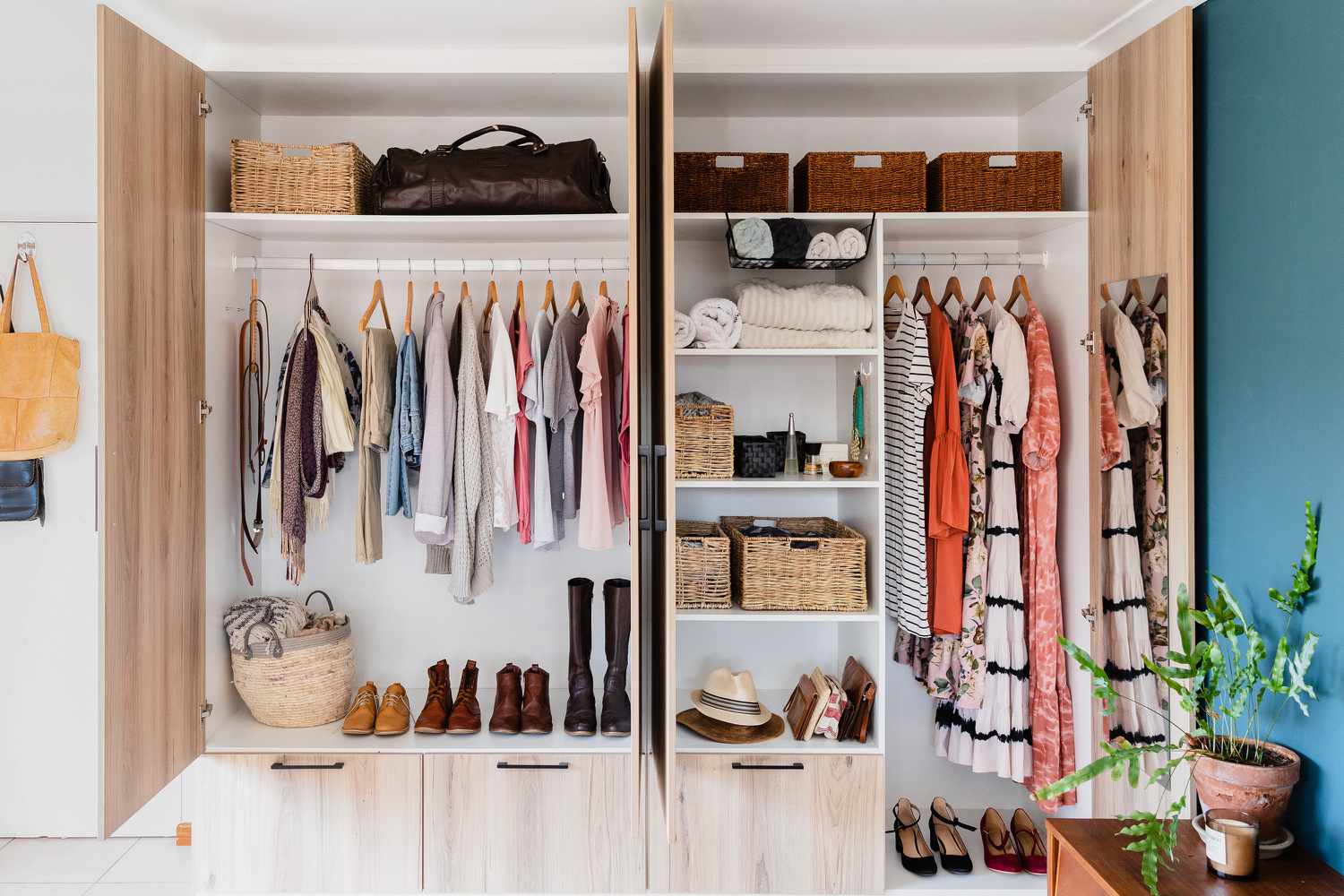

Clothing is more than just a basic human necessity; it is an expression of identity, culture, and lifestyle. Understanding how clothing is designed, produced, and marketed can transform the way you approach your wardrobe, business, or personal style. This article explores clothing from multiple angles, providing in-depth insights into materials, trends, sustainable practices, and strategic buying choices. Whether you are a consumer, retailer, or fashion enthusiast, mastering these aspects will empower you to make smarter, more informed decisions.
The Role of Clothing in Society
Clothing serves multiple functions beyond basic protection from the elements:
- Identity and self-expression: Clothing communicates personality, status, and cultural affiliation.
- Professional and social signaling: Certain outfits convey professionalism, authority, or social belonging.
- Practicality and protection: Functional clothing protects against environmental hazards and enhances comfort.
Throughout history, clothing has also played a key role in social and political movements, reflecting shifts in cultural norms and values.
Types of Clothing Materials
Understanding fabrics and materials is essential for selecting quality clothing that lasts, feels comfortable, and aligns with your needs.
Natural Fibers
Natural fibers are derived from plants or animals and are valued for their comfort and breathability. Examples include:
- Cotton: Soft, breathable, and versatile, ideal for everyday wear.
- Wool: Provides insulation, durability, and moisture-wicking properties, commonly used for cold-weather garments.
- Silk: Luxurious and smooth, known for its elegance and natural sheen.
- Linen: Lightweight and breathable, perfect for hot climates.
Synthetic Fibers
Synthetic fabrics are engineered to provide durability, elasticity, and affordability. Common types include:
- Polyester: Strong, wrinkle-resistant, and often blended with natural fibers.
- Nylon: Lightweight, durable, and moisture-resistant, used in activewear and outerwear.
- Spandex: Provides stretch and flexibility, commonly integrated into sportswear and fitted clothing.
Blended Fabrics
Blended fabrics combine natural and synthetic fibers to balance comfort, durability, and cost. For instance, a cotton-polyester blend offers softness with added wrinkle resistance and longevity.
Factors to Consider When Buying Clothing
Buying clothing involves more than choosing attractive styles; understanding quality, fit, and functionality is crucial for making informed choices.
Fit and Sizing
Proper fit is critical for comfort and appearance. Considerations include:
- Body type: Clothing that complements your shape enhances confidence and presentation.
- Size consistency: Different brands have varying size standards, so always check measurements.
- Adjustable features: Belts, elastic bands, and drawstrings offer flexibility and comfort.
Fabric Quality
High-quality fabrics provide longevity and superior wearability:
- Inspect stitching and seams for durability.
- Test fabric elasticity and recovery for stretch garments.
- Consider breathability, softness, and moisture-wicking properties depending on intended use.
Price vs. Value
While cost is a factor, value goes beyond price:
- Investing in durable, timeless pieces often reduces long-term expenses.
- Fast fashion items may be cheaper upfront but tend to wear out faster.
- Prioritize versatility and functionality to maximize the value of each purchase.
Fashion Trends and Market Dynamics
The clothing industry is constantly evolving, influenced by culture, technology, and consumer behavior.
Seasonal and Cultural Trends
- Seasonal collections: Spring-summer and fall-winter lines cater to climate and style changes.
- Cultural influences: Traditional patterns, fabrics, and silhouettes often inspire contemporary fashion.
- Social media impact: Platforms like Instagram and TikTok play a pivotal role in trend propagation.
Functional and Lifestyle Trends
Modern clothing trends increasingly focus on:
- Athleisure: Combining comfort and style for daily wear and fitness activities.
- Sustainable fashion: Consumers are prioritizing eco-friendly materials and ethical production.
- Tech-integrated garments: Smart textiles with temperature regulation, health tracking, or wearable electronics are emerging.
Strategic Buying for Businesses
Retailers and entrepreneurs can benefit from understanding market demand and strategic inventory management:
- Analyze past sales trends to anticipate high-demand items.
- Use data analytics to track seasonal shifts and consumer preferences.
- Diversify inventory to include classic staples and trend-driven pieces.
Sustainable and Ethical Clothing Practices
Sustainability is no longer a niche concern; it has become a critical consideration in modern clothing production and consumption.
Eco-Friendly Materials
- Organic cotton reduces pesticide usage and environmental impact.
- Recycled polyester diverts plastic waste from landfills and oceans.
- Hemp and bamboo fabrics offer renewable, biodegradable alternatives.
Ethical Manufacturing
- Fair wages and safe working conditions are essential for ethical production.
- Transparent supply chains allow consumers to make responsible purchasing decisions.
- Certifications such as Fair Trade, GOTS, and OEKO-TEX provide assurance of ethical practices.
Reducing Waste
- Upcycling and repurposing old garments extend product life.
- Minimalist wardrobes reduce consumption and environmental footprint.
- Clothing rental and resale platforms encourage reuse and circular fashion practices.
Clothing Care and Maintenance
Proper care prolongs the life and appearance of garments. Key practices include:
- Reading care labels: Follow washing, drying, and ironing instructions.
- Sorting laundry: Separate colors and fabric types to prevent damage.
- Stain treatment: Address stains promptly using appropriate techniques for each material.
- Storage: Fold or hang items correctly to maintain shape and prevent fabric stress.
FAQs About Clothing
Q1: How can I identify high-quality clothing?
High-quality clothing often features strong stitching, durable fabrics, precise sizing, and attention to details such as buttons and zippers.
Q2: Are natural fabrics always better than synthetic ones?
Not necessarily. While natural fabrics offer breathability and comfort, synthetic or blended fabrics can provide durability, stretch, and easier maintenance. Choosing depends on your needs and lifestyle.
Q3: How can I make my wardrobe more sustainable?
Invest in versatile, durable pieces, choose eco-friendly fabrics, support ethical brands, and consider resale or upcycling options for old garments.
Q4: What are the best practices for online clothing shopping?
Check sizing guides, read customer reviews, examine product photos closely, and review return policies to ensure a satisfactory purchase.
Q5: How does clothing reflect personal identity?
Clothing conveys style preferences, cultural influences, and personal values, often serving as a visual representation of individuality.
Understanding clothing from material composition to ethical considerations empowers consumers, designers, and retailers alike. By prioritizing quality, sustainability, and informed decision-making, you can build a wardrobe or business strategy that balances style, functionality, and responsibility.

Comments are closed.